28 November 2026
Rocking Chairs or Stationary Chairs for Porch Relaxation
Presented by @theoutdoorroom
A porch chair is a small decision with a big effect on how the space feels. One seat invites slow movement and a gentle rhythm. Another stays still and makes reading, talking, or watching the street feel settled. The choice between a rocking chair and a stationary chair is less about which one is better and more about how the porch is used, how much room it has, and what kind of comfort matters most.
The same question comes up with other outdoor pieces. A garden bench can serve several people at once, a porch swing adds a slower, suspended motion, and a side table makes either seat more useful. Resin furniture has become a common choice for these settings because it can be shaped into classic forms while standing up to outdoor conditions. Still, the shape of the seat matters as much as the material.
The feel of a rocking chair
A rocking chair is built for motion. The curved runners let the body shift with a small push, which can make short pauses feel longer and more comfortable. This is the seat people often picture for a front porch: a quiet place to sit with a drink, look at the garden, or enjoy a breeze. The motion gives the body something to do without requiring effort.
That movement can be a benefit, but it also asks for space. Rockers need clear floor area in front and behind, and they need a surface that allows smooth, controlled motion. Uneven boards, thick mats, or a crowded porch can interrupt the rocking and make the chair feel awkward. A rocking chair also suits spaces where people sit one at a time, or where several chairs can be spaced apart without blocking traffic.
Comfort depends on more than the rocker base. Seat depth, back angle, arm height, and the position of the feet all change how the chair feels during a longer sit. A chair with a deep seat may feel relaxed, but it can make it harder to stand up. A tall back may feel supportive, yet it can block a view from a low porch rail. These details are worth checking before choosing a style, especially if the chair will be used by people of different heights.
The steadiness of a stationary chair
A stationary chair is the more flexible option in many porches. It holds its position, so it can sit close to a rail, beside a planter, or around a small table without needing extra clearance. This makes it easier to arrange seating in pairs or groups. It also suits porches that double as walkways, where a rocking base might get in the way.
Stationary chairs are often better for activities that need a stable surface. Reading, using a phone, writing, or sharing a snack feels easier when the seat does not move. An Adirondack chair is a familiar example of a relaxed stationary form, with a wide seat and a sloped back. Other styles offer upright support, which can feel better at a dining height table or near a porch door.
The trade off is that a stationary chair does not offer the same soothing motion. Some people find that less satisfying on a quiet evening. The comfort then comes from cushioning, seat shape, back support, and shade placement. A well shaped chair in a shaded corner can feel more inviting than a rocker sitting in harsh afternoon sun.
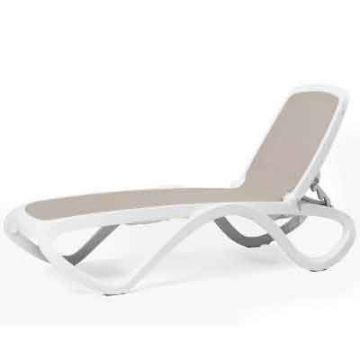
When comparing patio lounge furniture for a porch, it helps to think about the whole seating arrangement rather than one seat in isolation. A single rocker can become a peaceful corner. Two stationary chairs with a side table make a conversation spot. A bench along one wall can handle busy moments, while a chair near the steps gives one person a place to pause.
Space, movement, and daily use
The porch layout often decides the question. Measure the area where the chair will sit, including the path people use to enter and leave. A rocking chair needs room for its runners and for the body to lean back slightly. A stationary chair can fit into tighter corners and can be pulled closer to a table or rail.
Floor surface matters too. Smooth, level boards suit rocking better than rough or sloped surfaces. If the porch has mats, rugs, or uneven paving, a stationary chair may feel more secure. Any chair used outdoors should sit firmly on its feet, with no wobble that could cause a fall. If a surface is badly uneven, the solution is to correct the surface rather than to place unsteady furniture on it.
Weather exposure shapes the choice as well. Resin outdoor furniture is often selected for porches because it can handle moisture and sun better than many indoor materials. Even so, cushions, hardware, and finish details deserve attention. A chair that stays outside through rain needs a design that drains and dries rather than holding water in seams. A rocker with tight joints can still feel pleasant, but a chair that traps moisture may take longer to be ready for use.
Comfort over longer sitting
Short visits and long sits call for slightly different features. For a quick pause, style and ease of movement may matter most. For an hour of reading, the details become harder to ignore. Look at the width of the seat, the height of the arms, and whether the back supports the lower and upper back. seat depth is especially useful to consider, since a seat that is too deep can leave the back unsupported, while a shallow seat can feel cramped.
A rocking chair can reduce the need to shift position because the motion changes the body angle slightly. That can be welcome when the goal is to unwind. A stationary chair may require more deliberate posture changes, but it gives a stable base for tasks and conversation. Neither option is automatically more comfortable. The better choice is the one that matches the way the sitter naturally rests.
Cushions can change the character of both chairs. A firm cushion can make a shallow seat feel more supportive. A softer cushion can add comfort to a hard surface, though too much softness can make standing up harder. If cushions will stay outdoors, consider how quickly they dry and whether they can be secured against wind. shade placement can also change comfort more than people expect. A chair under cover may be usable on days when an exposed seat feels too hot.
Matching the chair to the porch
A traditional front porch often suits a rocking chair or a classic stationary form. The lines of the house, the railing, and the width of the porch all influence what looks right. A narrow porch with a busy entrance may look and feel better with one stationary chair tucked to the side. A wide porch with room to spread out can hold rockers without making the walkway feel cramped.
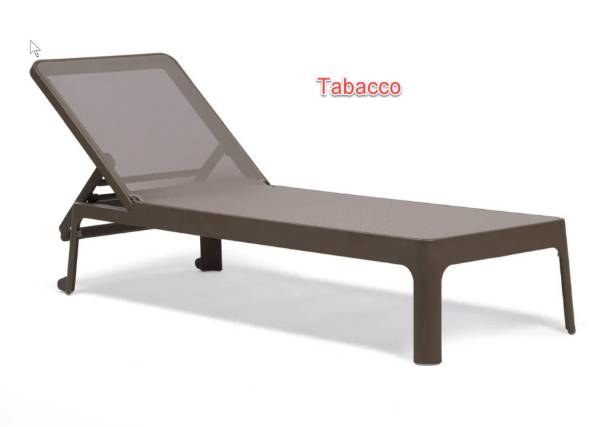
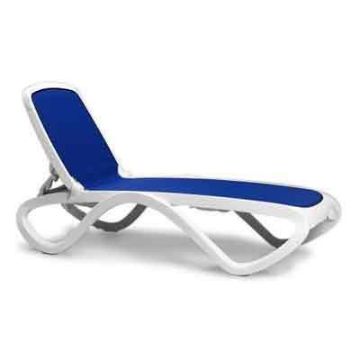
A back patio or covered sitting area can support a wider mix of pieces. Chaise lounges lean toward long relaxation, dining chairs support meals, and benches make efficient use of wall space. A porch swing offers motion without floor runners, though it needs suitable overhead support and safe hanging hardware. If a swing is being considered, the structure and installation should be checked carefully by a qualified professional rather than treated as a simple furniture placement.
Mixing seat types can work well when the space serves different needs. One rocker near a corner, a stationary chair with a side table, and a bench near the wall can make the porch feel useful without looking crowded. The key is to leave clear paths and avoid placing seats where doors open or where people carry items through. Comfort tends to improve when the arrangement feels calm and unforced.
Which choice suits different situations
A rocking chair tends to suit quiet porches, longer pauses, and people who enjoy gentle motion. It works best where there is clear space, a level surface, and no need for a fixed work area. It can also add a familiar porch character that is hard to reproduce with other seating.
A stationary chair tends to suit smaller spaces, conversational seating, reading spots, and areas where stability matters. It is easier to place around tables and along railings. It also gives more freedom with style, since there is no need to design around a rocking base.
For many porches, the strongest answer is not a strict either or choice. A stationary chair can handle everyday use, while a rocker can mark one corner as a place to slow down. The decision becomes simpler when the chair is chosen for the actual space, not for an image of what a porch should look like. Comfort, clearance, surface, and daily habits are the details that turn a seat into a place people actually want to use.